

Engineering Design and Fluid Machinery
The Construction and Fluid Energy Engineering track combines the methodical development of technical systems with the design of fluid-flow and energy-related machinery. Students acquire in-depth knowledge in mechanical design and fluid power engineering as well as in drive technology and learn to apply modern engineering methods for the analysis, design, and optimization of technical systems. By combining design, fluid mechanics, and numerical analysis, this track offers a broad yet application-oriented specialization in mechanical engineering. In doing so, it integrates various disciplines of mechanical engineering and fosters a holistic understanding of the development, design, and optimization of technical systems. The skills acquired qualify students for careers in design, digital product development, simulation, and the calculation of technical systems and plants, with a particular focus on positive-displacement and fluid-flow machines as well as general drive technology.
This track is designed for students interested in the following areas:
- General methodological design based on applied simulation
- Use of digital development and simulation tools (CAx, CFD)
- Design of fluid-flow machines, positive-displacement machines, and powertrains, particularly in the context of modern energy and mobility systems
- Advanced topics in powertrain engineering regarding the dynamic behavior of powertrains, hydraulics, and pneumatics
- Analysis of technical systems with regard to materials, tribology, and surface engineering
- Development of sustainable systems through lightweight construction, recycling, and novel fluid energy converters
Modern energy technology, for example in the field of hydroelectric and wind power plants

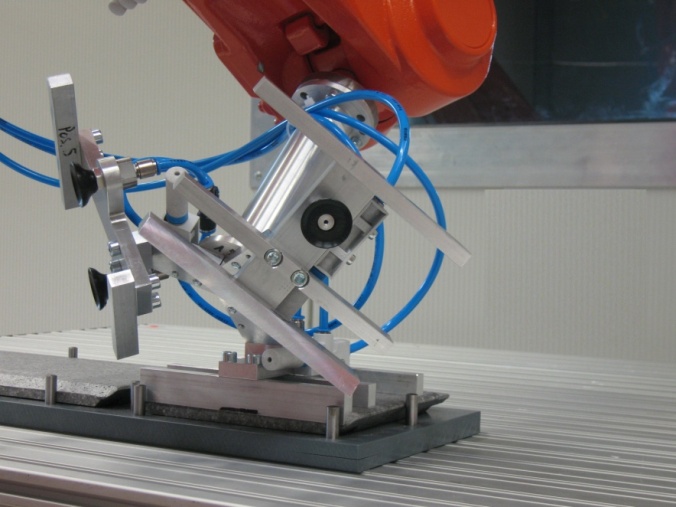

A central component of the program is the systematic and methodical approach to product development tasks. Students learn to develop complex technical systems in a structured manner, applying modern, simulation-based design methods. This includes, in particular, the “Design for X” guidelines. Unlike the bachelor’s program, the master’s program focuses specifically on methodological tools for scientific, societal, and technical product development. The course integrates real-world examples, scientific research, and modern models to prepare future engineers for a career in product development. In the context of drive technology, the design of drive systems is explored in greater depth, with particular emphasis on the dynamics and tribological interactions of powertrains. The drive technology curriculum is expanded to include simulations as well as topics in pneumatics and hydraulics, which can also be explored in greater depth in specialized laboratories.
In the field of fluid energy engineering, the focus is on flow and positive-displacement machines as well as energy-related applications. Students learn about the operation, design, and optimization of rotary positive-displacement machines (screw machines), thermal flow machines (flow turbines), water turbines, and wind turbines. The curriculum covers both the underlying physical principles and operational and design considerations.
Additionally, the specialization can be expanded with modules from the fields of reliability engineering, control engineering, materials science, and non-destructive testing. This gives students the opportunity to deepen their knowledge according to their individual interests and apply it to interdisciplinary problems.
The specialization consists of Profile Catalog C and Profile Catalog D. For more detailed descriptions of the available modules, please refer to the Master’s in Mechanical Engineering Module Handbook.
Competences and job profiles
Graduates of the Construction and Fluid Energy Engineering track possess in-depth knowledge of the development, design, and optimization of technical systems.
Potential employers can be found particularly in the following fields:
- Mechanical and Plant Engineering
- Pump, compressor, and turbomachinery engineering
- Drive and Fluid Technology
- Energy Engineering and Renewable Energy
- Automotive and mobility engineering
Typical career fields include:
- Design and Product Development
- Research and Development
- Calculation and Simulation
- Project Planning and System Design
- Technical Consulting and Engineering